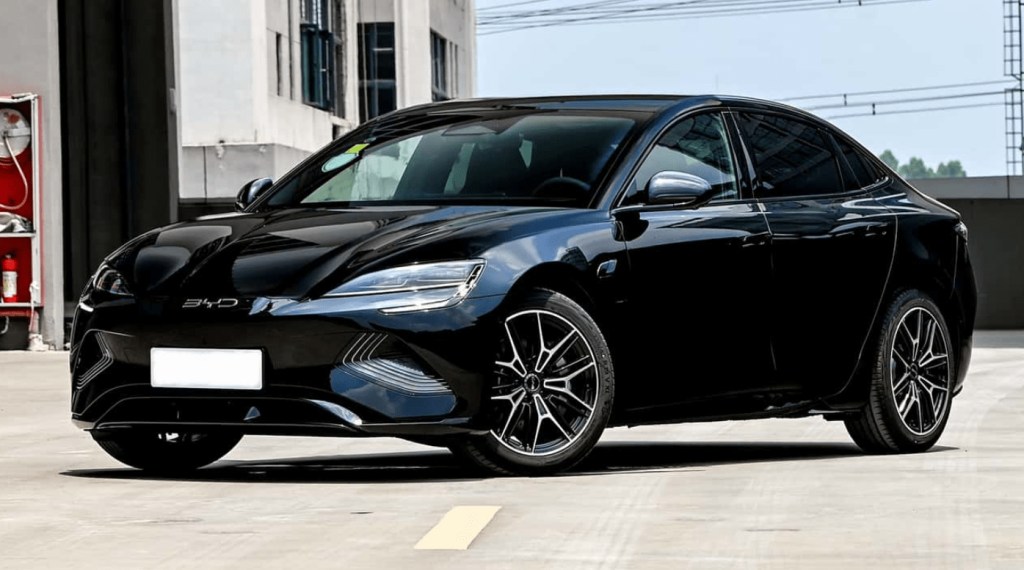
The Future of Electric Vehicles – Trends and Innovations for 2025
Introduction
The electric vehicle (EV) industry is undergoing a rapid transformation driven by technological advancements, government policies, and changing consumer preferences. As we enter 2025, EVs are expected to dominate the automotive market, reducing reliance on fossil fuels and promoting a sustainable future. This article explores the latest trends, innovations, and challenges shaping the future of electric vehicles in 2025.
The Rise of Electric Vehicles
Growth of the EV Market
- Increasing global EV adoption
- Declining costs of EV batteries
- Government incentives and subsidies
- Expansion of charging infrastructure
Key Industry Players
| Manufacturer | Market Share (2024) | Notable Models |
|---|---|---|
| Tesla | 20% | Model S, Model 3, Cybertruck |
| BYD | 15% | Han EV, Tang EV, Dolphin |
| Volkswagen | 12% | ID.4, ID. Buzz, ID.7 |
| General Motors | 10% | Chevy Bolt EV, Cadillac Lyriq |
| Hyundai-Kia | 9% | Ioniq 5, EV6, Kona Electric |
Innovations in Battery Technology
Next-Generation Batteries
- Solid-State Batteries: Higher energy density, faster charging, and enhanced safety
- Lithium-Iron-Phosphate (LFP) Batteries: Cost-effective, longer lifespan
- Sodium-Ion Batteries: Sustainable alternative to lithium-based batteries
Fast Charging Technologies
- Ultra-Fast Charging (UFC): Charging EVs in under 10 minutes
- Wireless Charging: Convenience without cables
- Bidirectional Charging (V2G & V2H): Using EVs as energy storage
Autonomous and Smart EV Technologies
AI and Machine Learning in EVs
- Self-Driving Capabilities: Autonomous Level 4 & 5 developments
- Predictive Maintenance: AI-driven diagnostics and repairs
- Advanced Driver Assistance Systems (ADAS): Collision prevention and lane assistance
Vehicle-to-Everything (V2X) Communication
- V2G (Vehicle-to-Grid): EVs as mobile energy sources
- V2V (Vehicle-to-Vehicle): Enhanced traffic safety
- V2I (Vehicle-to-Infrastructure): Smart city integration
Expansion of Charging Infrastructure
Smart Charging Networks
- Ultra-Fast DC Chargers: 350 kW+ charging stations
- Solar-Powered EV Charging Stations: Renewable energy utilization
- AI-Powered Charging Management Systems: Grid balancing and optimization
Public vs. Private Charging
| Charging Type | Speed | Availability | Cost |
| Home Charging | Slow (8-12 hrs) | High | Low |
| Public Fast Charging | Fast (30-60 min) | Moderate | Medium |
| Ultra-Fast Charging | Superfast (<10 min) | Low | High |
Sustainability and Environmental Impact
Reduction in Carbon Emissions
- EVs vs. ICE Vehicles: Life cycle emissions comparison
- Battery Recycling Initiatives: Second-life battery applications
- Sustainable Manufacturing: Eco-friendly materials in EV production
Future Green Energy Integration
- Solar EVs: Vehicles with built-in solar panels
- Hydrogen Fuel Cell Vehicles (FCEVs): Zero-emission alternatives
- EV Charging with Renewable Energy: Wind and solar-powered grids
Challenges and Future Outlook
Key Challenges Facing EV Adoption
- Battery Supply Chain Issues: Lithium shortages and ethical sourcing
- Charging Infrastructure Development: Uneven distribution and accessibility
- Consumer Affordability and Range Anxiety: High initial costs and limited range
Predictions for the EV Industry Beyond 2025
- EV Sales Growth: Expected market penetration by 2030
- Emerging EV Markets: Expansion in developing countries
- Regulatory Changes: Stricter emissions regulations and incentives
Conclusion
The future of electric vehicles in 2025 is shaped by groundbreaking technological innovations, a growing market, and significant environmental benefits. With advancements in battery technology, autonomous driving, and charging infrastructure, EVs are set to revolutionize the transportation sector, driving us toward a cleaner and more sustainable future.