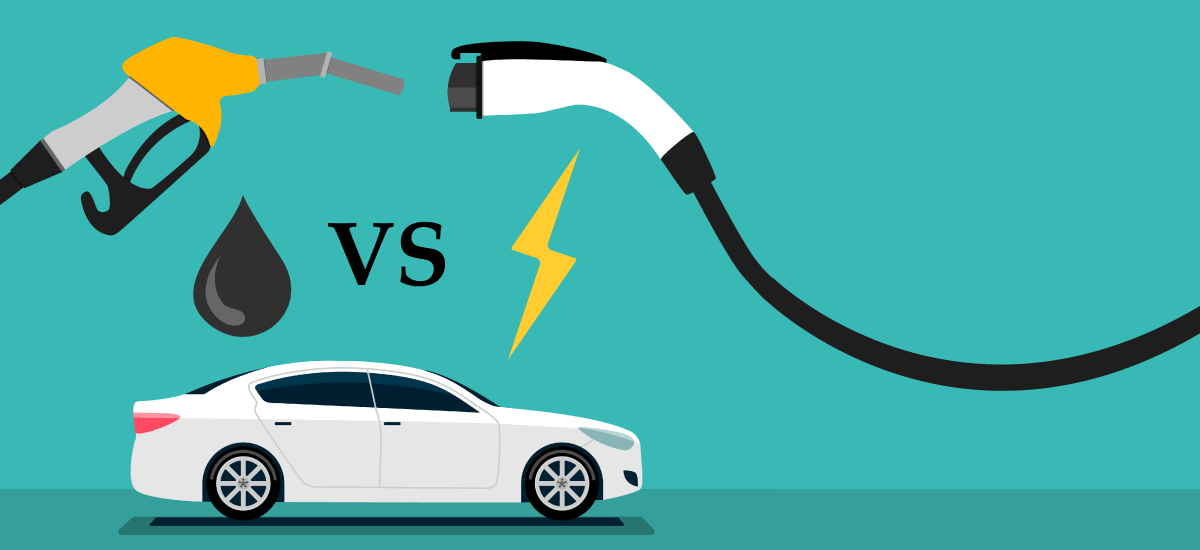
Hybrid vs. Electric Cars: Which One Is the Better Choice for You?
The automotive industry is rapidly evolving, and two of the most popular eco-friendly vehicle options today are hybrid and electric cars. With increasing concerns over environmental sustainability and rising fuel prices, many car buyers are considering these alternatives. However, choosing between a hybrid and an electric vehicle (EV) can be challenging. In this comprehensive guide, we will analyze the key differences, benefits, and drawbacks of both options to help you make an informed decision.
Understanding Hybrid and Electric Vehicles
1. What Are Hybrid Cars?
Hybrid vehicles use a combination of an internal combustion engine (ICE) and an electric motor to improve fuel efficiency and reduce emissions. They can operate in different modes:
- Parallel Hybrid: Both the engine and electric motor power the car simultaneously.
- Series Hybrid: The engine acts as a generator, powering the electric motor that drives the wheels.
- Plug-in Hybrid (PHEV): These hybrids can be charged externally and have a larger battery, allowing for extended electric-only driving.
2. What Are Electric Vehicles (EVs)?
Electric vehicles run solely on electricity, using a rechargeable battery to power an electric motor. EVs eliminate the need for gasoline and produce zero tailpipe emissions, making them a cleaner and more sustainable option.
Key Differences Between Hybrid and Electric Cars
| Feature | Hybrid Cars | Electric Cars |
|---|---|---|
| Fuel Source | Gasoline + Electricity | Electricity Only |
| Emissions | Lower than traditional cars | Zero emissions |
| Range | Higher due to gasoline backup | Limited by battery capacity |
| Charging | Not required for standard hybrids | Requires charging infrastructure |
| Maintenance | Moderate (engine + battery) | Lower (no engine) |
| Cost | Generally lower than EVs | Higher initial cost |
Benefits of Hybrid Cars
1. Greater Driving Range
- Hybrids have a gasoline engine, eliminating range anxiety.
- Ideal for long-distance travel.
2. Fuel Efficiency & Cost Savings
- Improved miles per gallon (MPG) compared to conventional vehicles.
- Lower fuel costs over time.
3. No Dependence on Charging Stations
- Unlike EVs, hybrids do not require charging infrastructure.
- More convenient for areas with limited charging options.
Benefits of Electric Cars
1. Zero Emissions & Eco-Friendliness
- No tailpipe emissions, reducing carbon footprint.
- Ideal for sustainability-conscious consumers.
2. Lower Operating Costs
- No gasoline costs.
- Fewer moving parts reduce maintenance expenses.
3. Government Incentives & Tax Benefits
- Many regions offer incentives for EV purchases.
- Possible tax credits, rebates, and reduced registration fees.
Considerations Before Choosing
1. Driving Habits & Range Needs
- Frequent long trips? A hybrid may be better.
- Daily short commutes? An EV could be ideal.
2. Charging Infrastructure Availability
- Access to home or public charging? EVs are viable.
- Limited charging stations? A hybrid might be more practical.
3. Budget & Cost Factors
- Higher upfront budget? EVs save money long-term.
- Lower initial cost preference? Hybrids are more affordable.